On June 4, the Beijing Academy of Artificial Intelligence (BAAI) and Tsinghua University jointly published the research findings "Memory Reactivation Underlies Experience-Dependent Adaptive Regulation of Sleep" in the international academic journal Science. The study reveals that sleep is not merely a "guardian" of memory; memory content itself also dynamically and reciprocally shapes the structure and quality of sleep. The "replay" of negative memories during sleep exacerbates sleep fragmentation, making individuals more prone to waking; whereas the activation of positive memories significantly enhances sleep continuity and resistance to interference.
"This discovery advances our fundamental understanding of sleep regulation", said a business representative from BAAI. "Sleep is no longer viewed as a singular, passive recovery process; it is in fact profoundly influenced by our past experiences and emotional memories. This provides a completely new perspective and potential therapeutic approach for understanding sleep problems commonly seen in emotional disorders such as anxiety and depression".
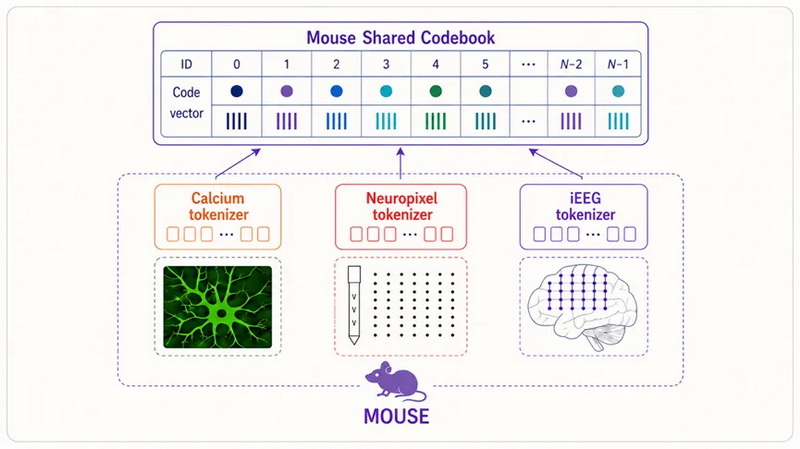
Figure 1 Schematic Diagram of Brainμ Tokenizer (Mouse) Structure (Image source: AI-generated)
The discovery of such a refined mechanism would not have been possible without the support of powerful analytical tools. Faced with massive, multimodal neuroscience data, traditional analytical methods often fall short. In this research, Brainμ, the multimodal foundation model for neuroscience independently developed by BAAI, played a pivotal role. It functions like a translator proficient in multiple brainwave "languages", capable of uniformly "translating" the electroencephalogram (EEG) signals during mouse sleep and memory-related single-cell imaging signals into a language amenable to computational analysis.
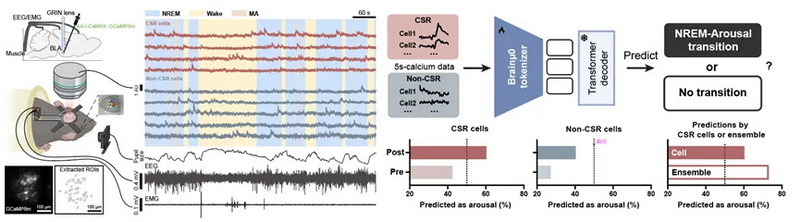
Figure 2 Brainμ Model Assists Neuroscientists in Validating the Dynamic Relationship Between Memory Activity and Sleep
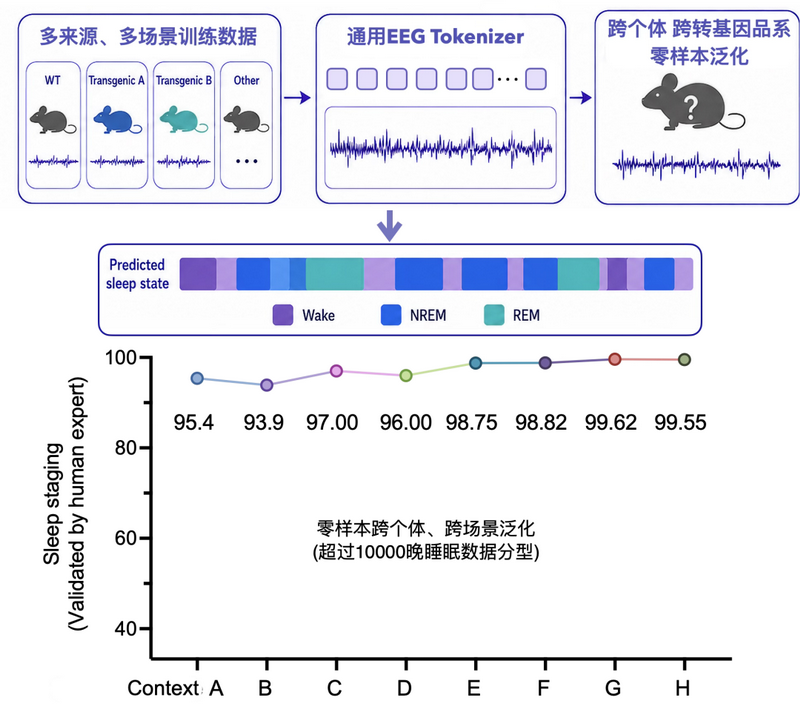
"Based on the encoding capability of the Brainμ model, we can precisely identify which sleep periods are accompanied by specific memory reactivation from complex neural signals", the aforementioned representative explained. This helped the research team successfully distinguish between "sleep accompanied by memory reactivation" and ordinary sleep, providing solid data support for validating the hypothesis that "memory regulates sleep". Throughout the analysis process, the model achieved cross-individual, cross-experiment generalized application in a "zero-shot" scenario, demonstrating the tremendous potential of AI foundation models in neuroscience research.
Figure 3 Brainμ Assists in Cross-Scenario, Cross-Individual Automated Sleep Classification in Mice (Image source: AI-generated)
From mechanism validation to daily scientific research, the Brainμ model is building a new paradigm of collaborative work between "AI + neuroscientists". For example, in cooperation with the National Institute of Biological Sciences, Beijing, the model has been successfully applied to automated sleep data analysis across different mouse strains over several months, with results highly consistent with the judgments of professional researchers, achieving stable and efficient research assistance.
This research not only reveals the profound bidirectional dialogue between sleep and memory, but also marks artificial intelligence as an important tool for decoding the complexity of life. In the future, the deep integration of AI and brain science will continue to provide powerful impetus for unveiling the mysteries of the brain and exploring new pathways for mental health.