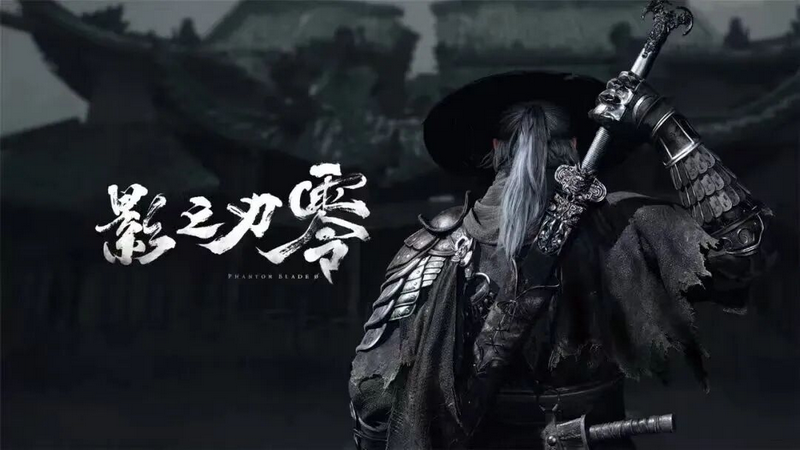
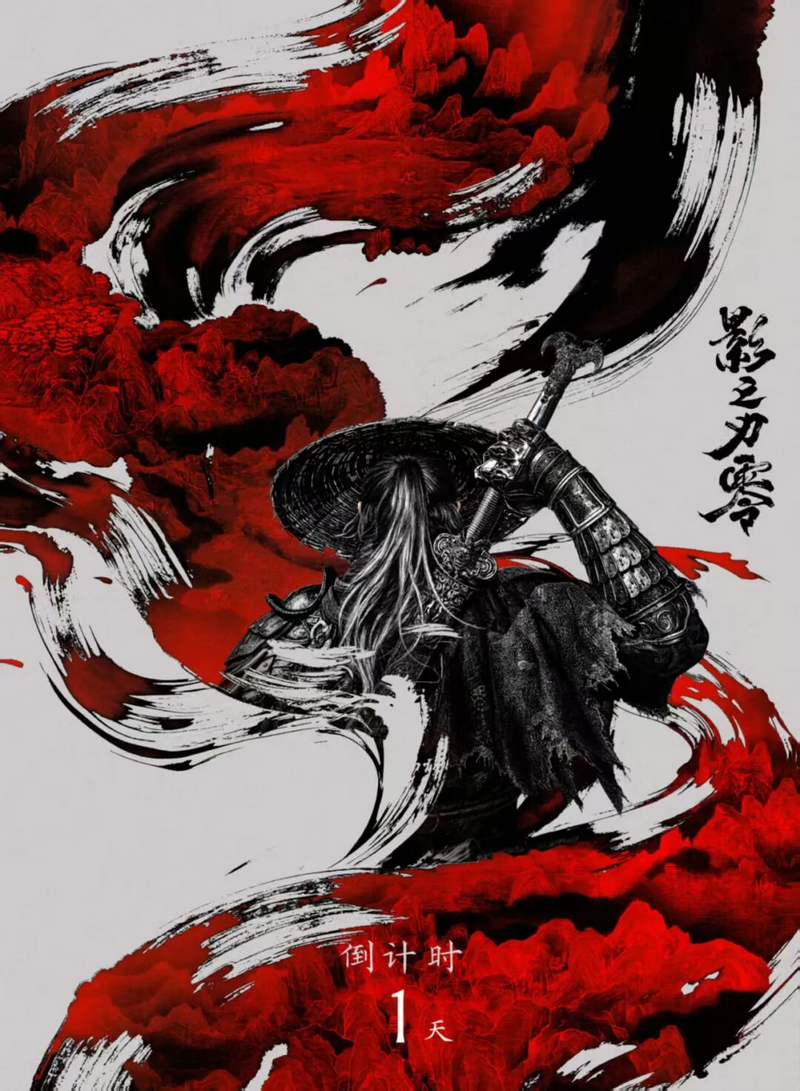
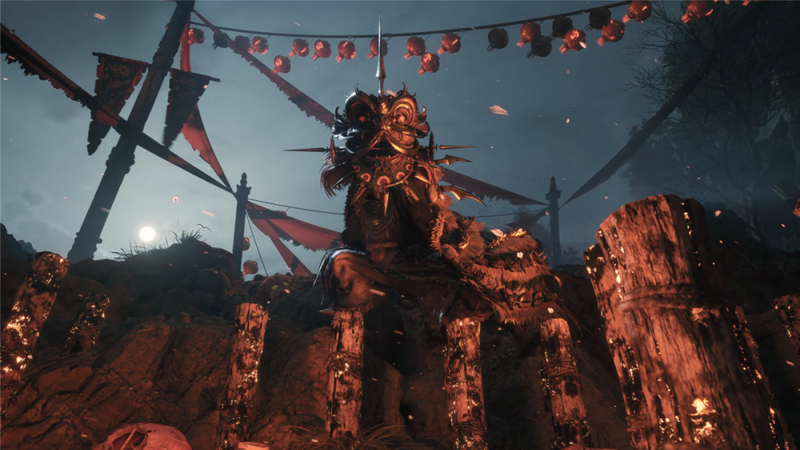
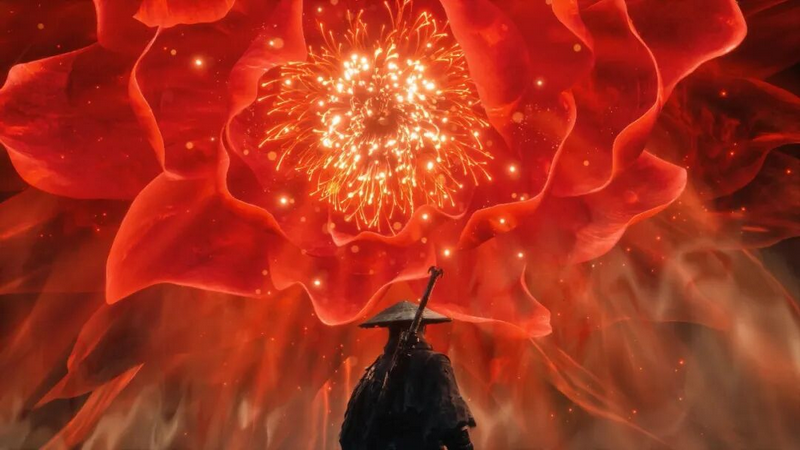
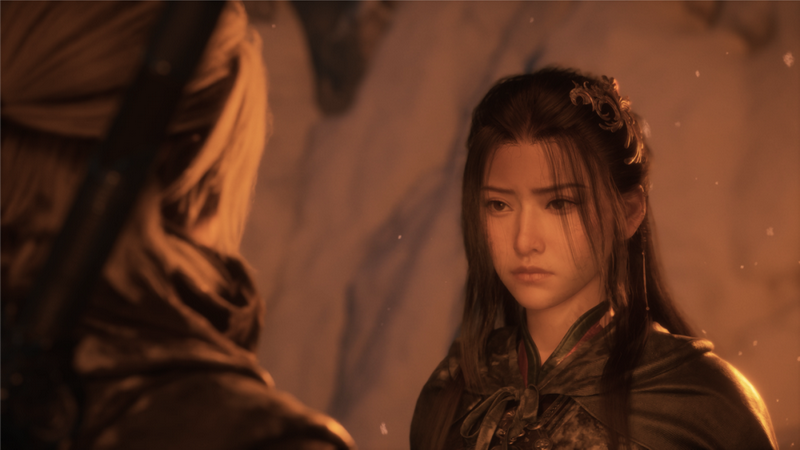
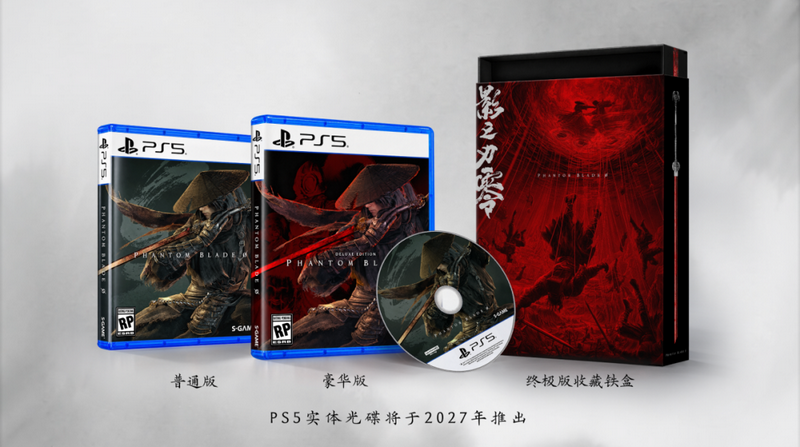
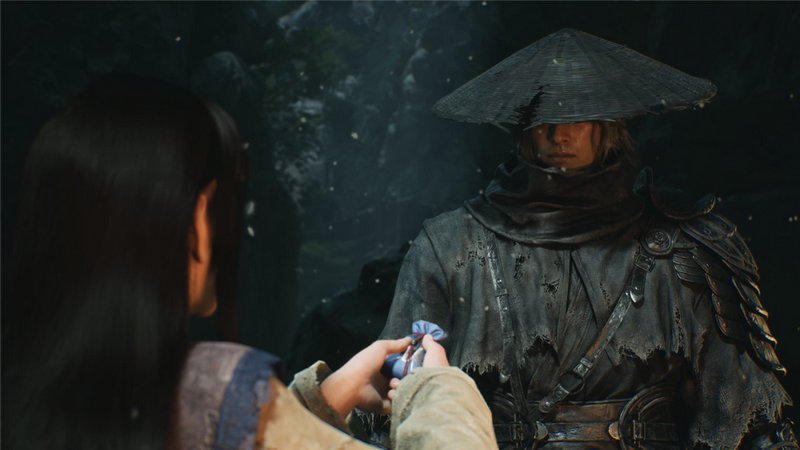
Combat animations are fluid and striking, and character models are meticulously detailed, with individual strands of hair clearly visible. On October 29, Phantom Blade Zero, a Chinese AAA wuxia action game developed and published by Haidian-based studio S-GAME, was officially released on PC and PlayStation 5.
Ahead of the official launch, media review embargo for Phantom Blade Zero was lifted, and the game shot to the top of Steam's sales rankings in regions around the world. Behind this surge in popularity lies more than three years of sustained effort by the team on a technically demanding development path.
As the most heavily‑funded and longest-developed premium AAA project undertaken by a Beijing game company in recent years, Phantom Blade Zero pursues a fusion of "traditional wuxia (a Chinese literary genre centered on martial arts heroes, chivalry and justice) and modern punk," employing a youthful and contemporary digital vocabulary to breathe new life into traditional wuxia.
Liang Qiwei, founder and CEO of S-GAME and producer of Phantom Blade Zero, acknowledged that crafting Chinese martial arts combat movements was one of the toughest challenges in development. The team first conducted in-depth research into the body mechanics of traditional martial arts, preserving core details such as footwork, force deflection (redirecting or neutralizing incoming force), and power transmission. They then adjusted motion-capture footage frame by frame, appropriately compressing wind-up and follow-through movements to suit controller input, and disassembled and reassembled combat moves to integrate mechanics such as combos, dodges, and counters. Simply put, the game mechanics are designed to deliver the experience: combat must feel authentic and satisfying to play.
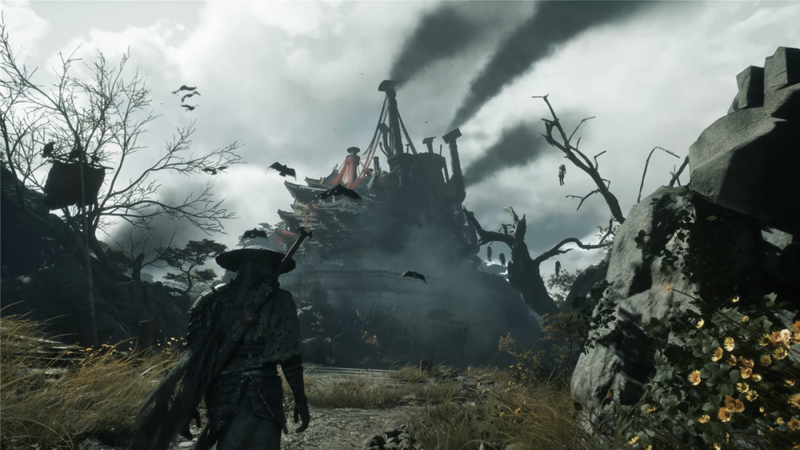
The game's environments were created using 3D real-world scanning technology, with high-precision scans of ancient architecture, traditional artifacts, and intangible cultural heritage props. While respecting original forms and textures, the team applied artistic reinterpretation in line with the game's “wuxia punk” aesthetic. Liang hopes these digital assets will contribute to the digital preservation of traditional culture, allowing scanned materials of ancient buildings and heritage props to serve a broader range of cultural applications.
As the second premium single-player AAA title to be licensed in China after Black Myth: Wukong, Phantom Blade Zero is demonstrating the rise of Haidian's original creative strength to the global market through solid technical execution and cultural grounding. "Rooted in Haidian for over a decade, we have benefited immensely from the region's top-tier scientific and technological resources, university talent pool, and cultural industry support ecosystem, which have given us the confidence to undertake long-cycle, high-difficulty AAA projects," Liang said. Phantom Blade Zero is not an isolated case.
In 2025, game companies in Haidian obtained a total of 88 NPPA game approval numbers, accounting for 42.72 percent of Beijing's total, with industrial scale and concentration ranking first in the city. The district has developed a landscape led by major players, powered by in-house innovation, and distinguished by strong export advantages. Leveraging Haidian's scientific and educational resources, the region's competitiveness in original R&D continues to strengthen. Phantom Blade Zero matches Black Myth: Wukong in product quality and production standards, and is expected to become Haidian's first world-class AAA benchmark. "It is precisely this industrial ecosystem that allows us not to chase short-term gains, but to settle down and polish original content," Liang said.
Liang has a clear vision for the game's global positioning: "Phantom Blade Zero is not just an action game for global audiences, but an attempt to bring wuxia culture overseas. We hope to go further and convey the spirit of Xiayi (a willingness to die for what you believe is just; resolution to honor your word; and perseverance to always help the downtrodden and less fortunate), the logic of martial arts, and the humanistic world of jianghu (a semi-fictional social realm outside official authority) in full to overseas players." In terms of exports, Haidian's game products show a pattern dominated by strategy, match-3, and social casual games. Game exports have become a key track for the region's game industry to withstand risks and achieve high growth, providing stable incremental gains.
Chinese wuxia has always been S-GAME's core creative theme. After the game's launch, the team plans to draw on local cultural resources in Beijing to hold offline exhibitions and cultural sharing events at appropriate times, showcasing the martial arts research and ancient architecture studies behind the game. It aims to distill the proven experience of wuxia game production, provide a practical reference for similar domestic projects rooted in traditional Chinese culture, and continue to spread Chinese wuxia culture through the medium of games, giving traditional wuxia culture more lasting vitality on the global stage.