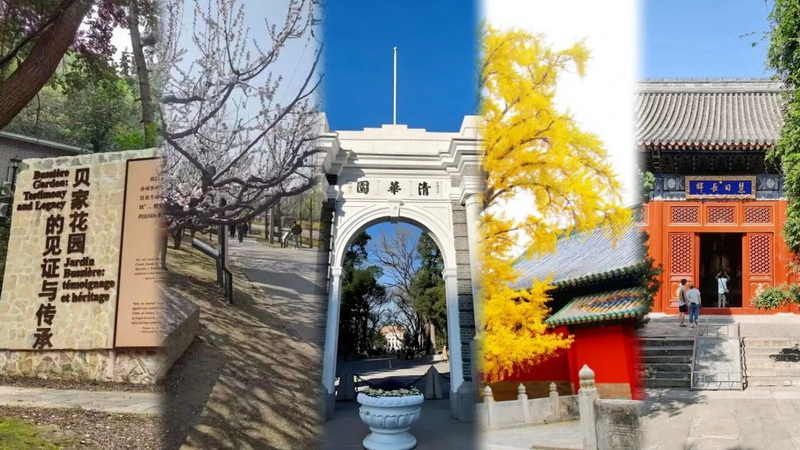
The Office of the Beijing Historical and Cultural City Protection Committee recently released the second batch of the Beijing Historic Gardens List, organized and assessed by the Beijing Municipal Forestry and Parks Bureau and the Beijing Municipal Administration Center of Parks. Nine historic gardens were added citywide. Five of them are in Haidian District: Qing Hua Yuan, Dajue Temple, Wanshou Temple, the Haidian section of the Yuan Dadu City Wall (Tucheng) Ruins Park, and the Bussiere Garden, the most of any district in Beijing. Haidian now has 12 historic gardens on the protection list. With these five gardens included in the city's dedicated protection system, Haidian's map of historical and cultural heritage protection has been further expanded, and the cultural depth of the "Three Hills and Five Gardens" is presented in a more multidimensional, diverse and complete way.
Five Gardens, Each with Its Own Character
The five newly listed gardens in Haidian each possess a distinctive character, with irreplaceable historical, artistic, ecological and social value.
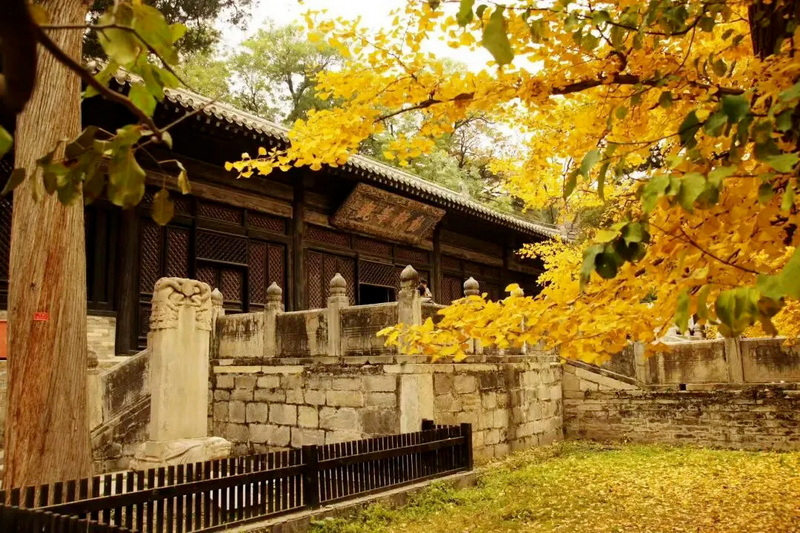
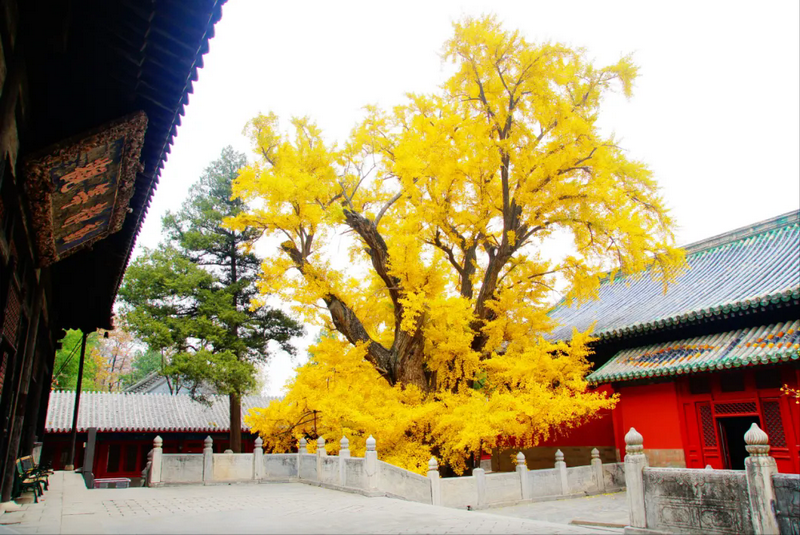
Located at the foot of the Western Hills, Dajue Temple is a rare Liao Dynasty temple garden in the Beijing area. Repaired and expanded through the Liao, Jin, Yuan, Ming and Qing dynasties, it retains the complete layout of an ancient temple and a traditional garden design. Built along the slope of the hills and surrounded by ancient trees, the garden is known for its "four wonders": the ancient temple, ginkgo trees, clear springs and magnolias. The temple's beamless hall, groups of ancient trees and the mountain spring water system are well preserved, and its quiet landscape of hills and water has changed little over a thousand years. It is one of the oldest, best-preserved and most authentic landscape gardens in western Beijing, reflecting the garden-making wisdom and Zen aesthetics of mountain temples in northern China.

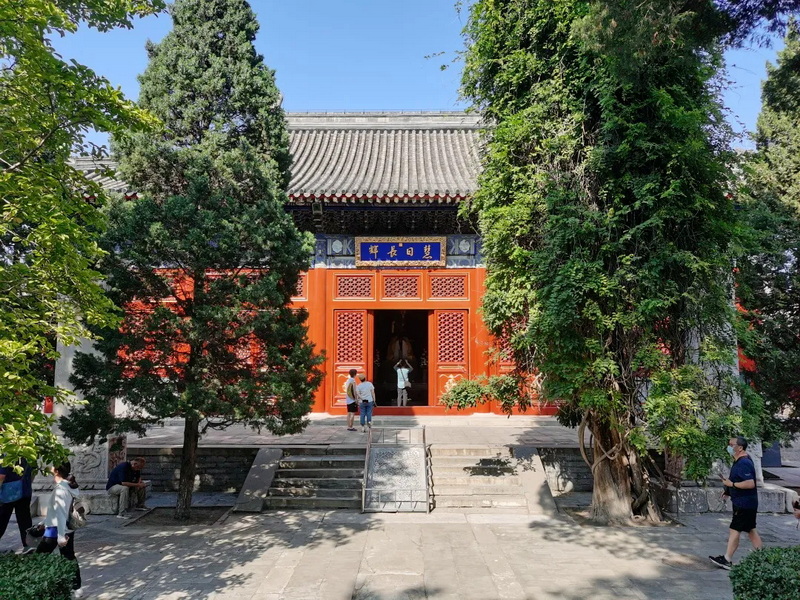
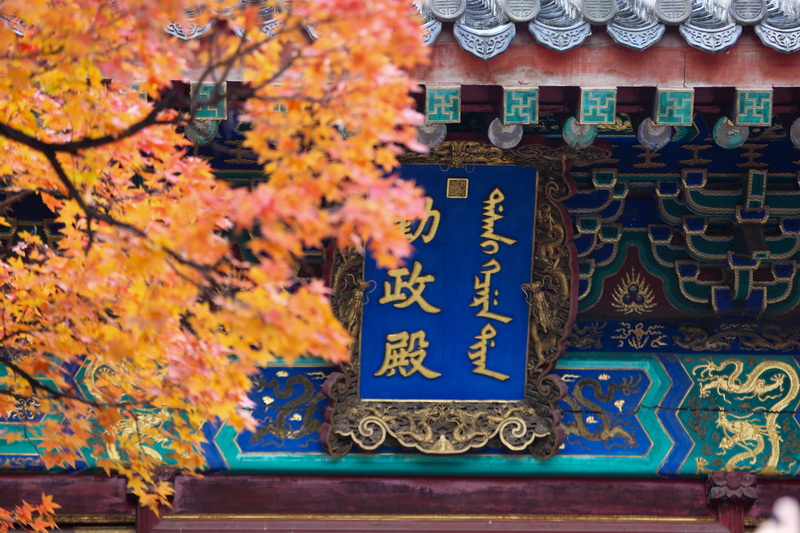
Known as the "Little Forbidden City of western Beijing," Wanshou Temple is a historic garden that combines a temporary imperial palace, a Zen temple and a classical garden. First built in the Ming Dynasty, it flourished in the Qing Dynasty. Its halls are arranged at varying levels, linked by covered corridors and set beside rivers and lakes, combining the grandeur of northern historic gardens with the delicate elegance of Jiangnan gardens. The temple preserves many Ming and Qing buildings, stone inscriptions and the layout of its garden waterways, making it an important physical resource for studying the evolution of gardens.
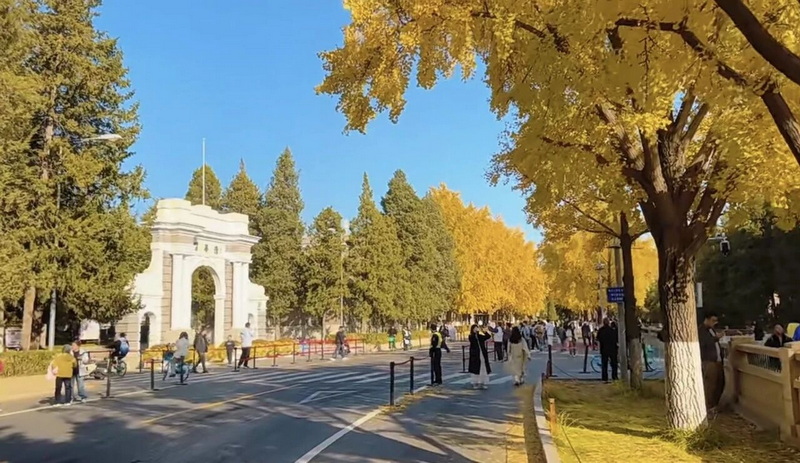
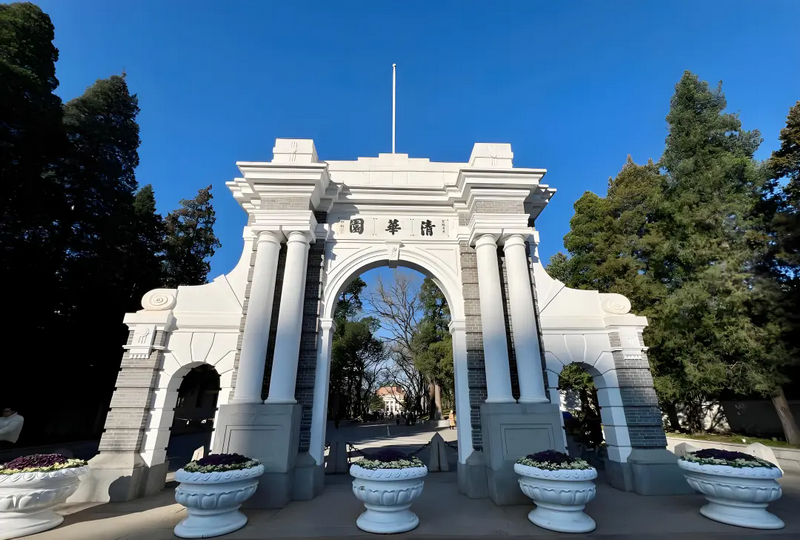
A landmark garden of a leading university, Qing Hua Yuan is a model of the fusion of Chinese and Western garden design in modern times. Its landscape follows the natural terrain and closely combines the artistic concept of traditional Chinese gardens with modern ideas of campus space. For more than a century, Qing Hua Yuan has been not only a campus landscape but also a symbolic landmark of the capital's development in science, education and culture, of modern educational reform and of the passing down of the youth spirit, with a rich cultural heritage and a distinct character of its times.
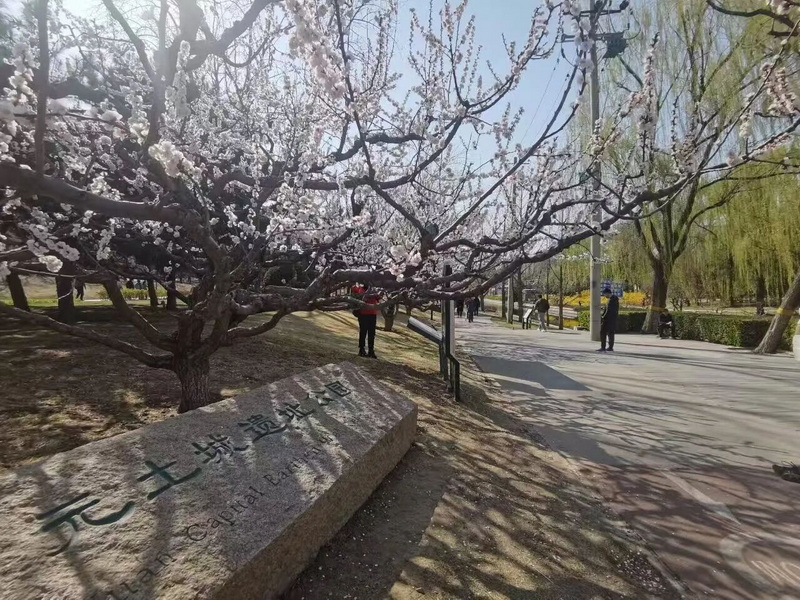
The Haidian section of the Yuan Dadu City Wall (Tucheng) Ruins Park carries a rich history of Beijing's urban development. The 4.2-kilometer section runs from Mingguang Bridge in the west to the G6 Beijing-Lhasa Expressway in the east, and preserves the course of the northern city wall of Dadu, the Yuan Dynasty capital. Centered on the ancient wall ruins, the park integrates cultural relic protection, ecological restoration, water management and landscape design, forming a linear historic urban garden where "the ruins are the bones, the waterways are the veins and the greenery is the charm." After more than 700 years, the Tucheng ruins are still clearly visible. The site is both a valuable relic of the Yuan Dynasty city and an open historical and ecological space where residents can visit, enjoy the scenery and relax close to home.
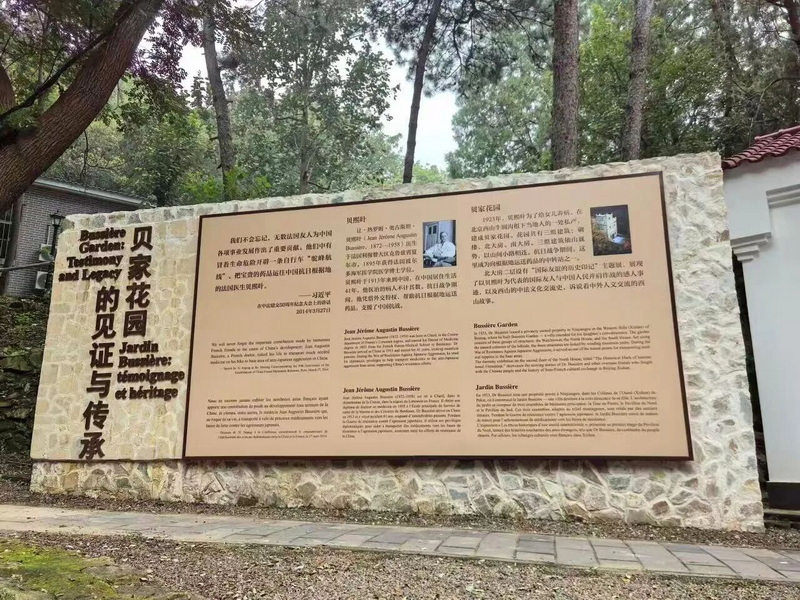
Bussiere Garden is a distinctive modern red-culture garden in Haidian District and a lesser-known gem that blends Chinese and Western styles. First built in the early 20th century by the foreign friend Bussiere, the garden was constructed along the mountain slopes with an ingenious layout, integrating Western villa architecture with the aesthetic of Chinese mountain-forest gardens. During the Chinese People's War of Resistance against Japanese Aggression, it served as an important medical aid station and supply transfer point, delivering medicine to the revolutionary base areas and treating wounded soldiers, leaving behind precious memories of the red revolution. As one of Beijing's first batch of immovable revolutionary cultural relics, its cultural character is truly one of a kind.
Historic Gardens Empowering Urban Development
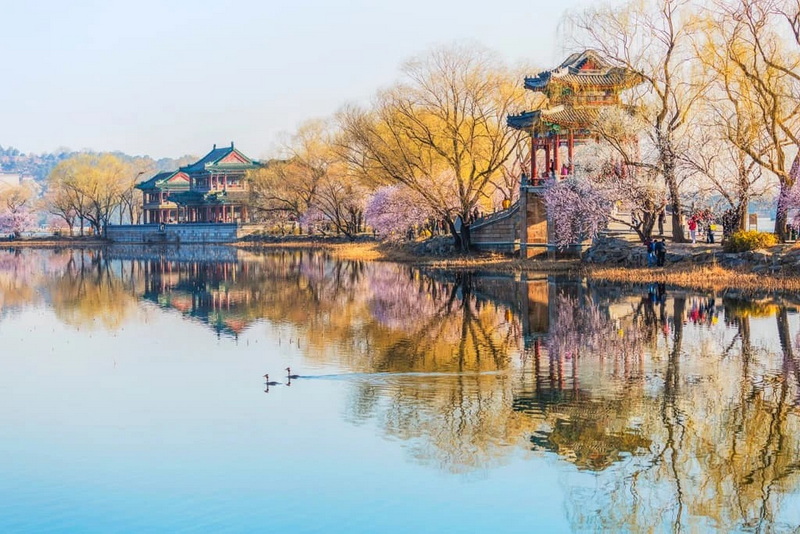
It is reported that Beijing launched the identification and protection of historic gardens in 2015, establishing a regularized, institutionalized and standardized protection system for historic gardens. The first batch of the list included 25 classic gardens within its scope of protection, forming the protective framework for the capital's core historic gardens. Among them were seven Haidian gardens: the Summer Palace, Yuanmingyuan Ruins Park, Fragrant Hills Park, Shuchun Garden, China National Botanical Garden, Yuyuantan Park and Zizhuyuan Park. The expansion of the second batch of the list focuses on surviving ancient gardens in the city, distinctive campus gardens, red-culture gardens and ruins-type ecological gardens, further completing Beijing's garden genealogy and enriching the cultural layers of the ancient capital. Five gardens in Haidian District were selected this time, covering a wide range of types, spanning a broad historical period and holding high cultural value, linking together the threads of urban change and cultural development.
Historic gardens are a precious living cultural heritage of the city — a concentrated carrier of the ancient capital's character, urban memory and traditional craftsmanship. In accordance with the city's relevant protection regulations and the latest park classification management measures, historic gardens are subject to strict, systematic and living protection, with rigorous preservation of the overall garden layout, architectural style, landscape texture and ancient tree ecosystems. Arbitrary reconstruction, expansion or damage to the surviving character of the gardens is strictly prohibited. At the same time, gardens are encouraged to deeply explore historical stories, cultural connotations and artistic value, and through exhibitions, lectures, cultural activities, science education and study tours, to bring historical resources out of secluded courtyards and closer to the public. With high-quality protection, high-level revitalization and high-grade utilization, the city will continue to polish its golden cultural and historical calling card, enabling ancient gardens to continuously empower urban development and enrich the lives of residents.